
Browse Resources
Leadership Positionality Journal
The Leadership Positionality Journal is a companion resource to Leading for Equity in Residencies: The Critical Role of Self-Knowledge and …
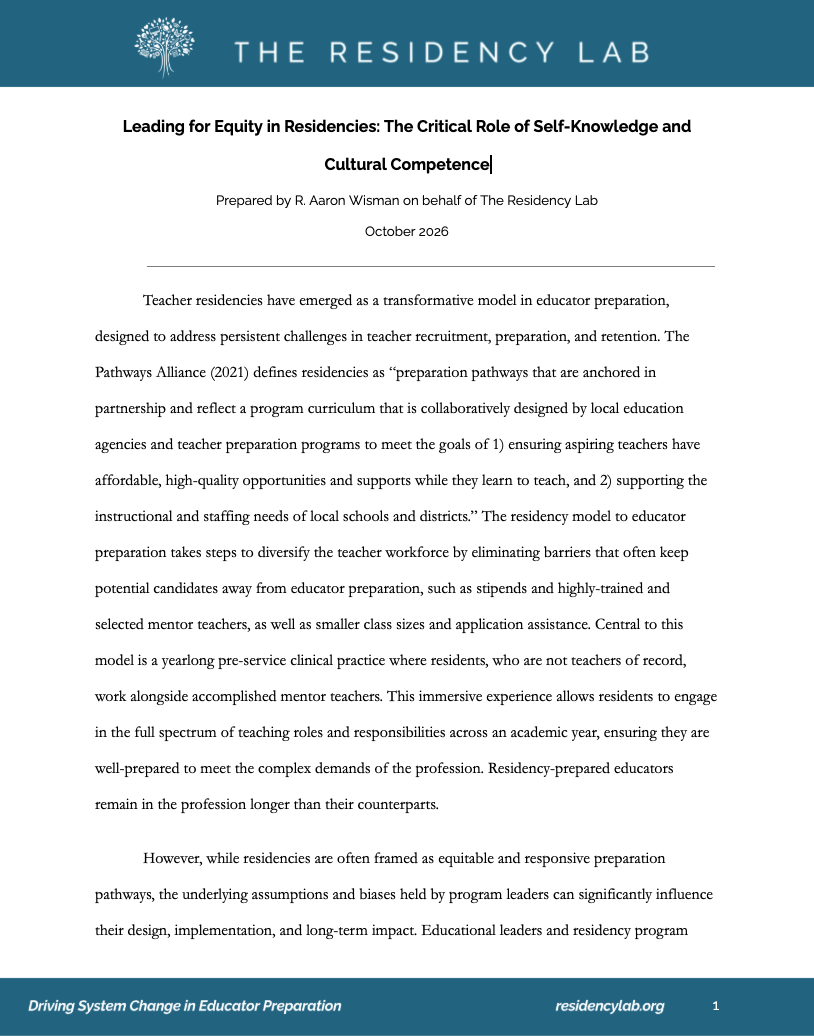
Leading for Equity in Residencies: The Critical Role of Self-Knowledge and Cultural Competence
Leading for Equity in Residencies: The Critical Role of Self-Knowledge and Cultural Competence explores how residency program leaders’ identities, cultural …
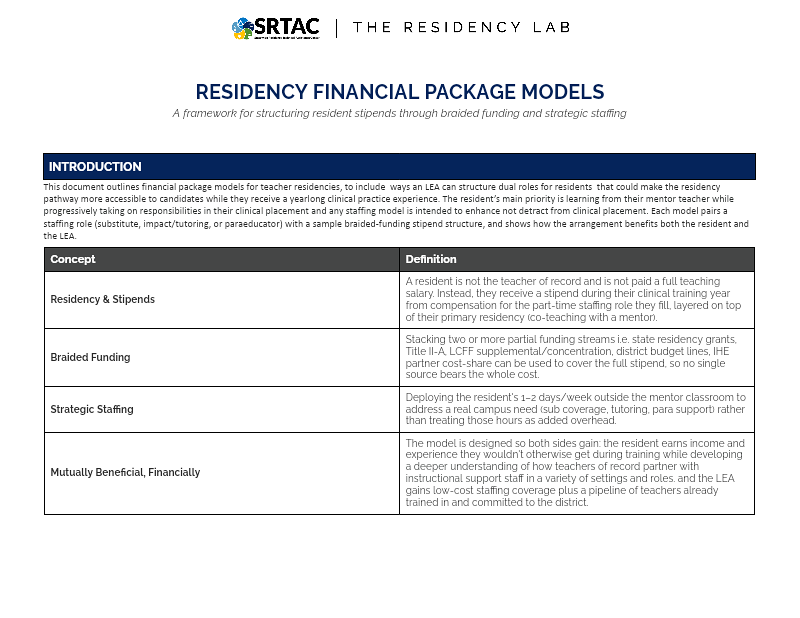
RESIDENCY FINANCIAL PACKAGE MODELS
This document outlines financial package models for teacher residencies, to include ways an LEA can structure dual roles for residents …
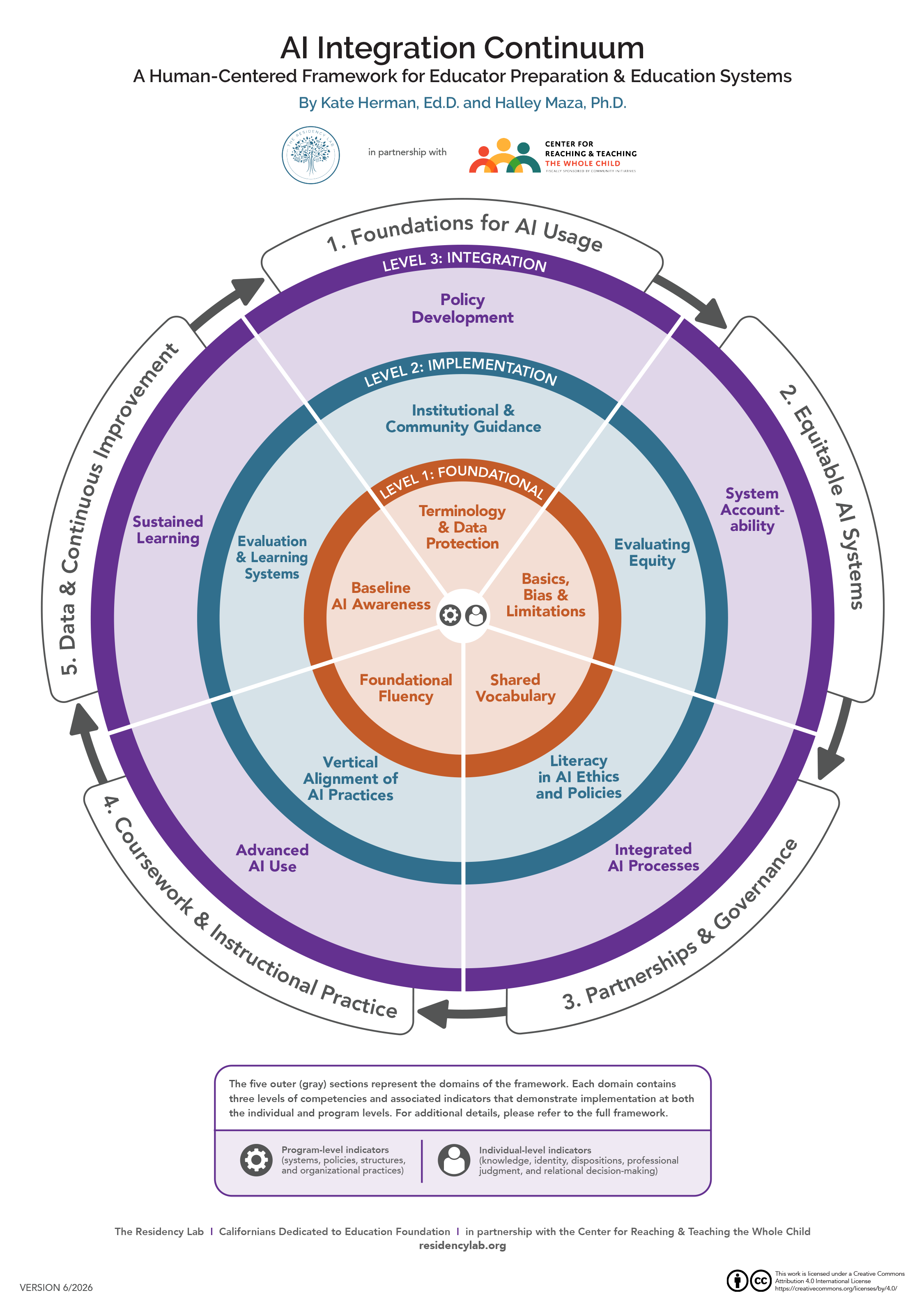
AI Integration Continuum Explainer Video
Explore the AI Integration Continuum: A Human-Centered Framework for Educator Preparation & Education Systems, developed by The Residency Lab in …
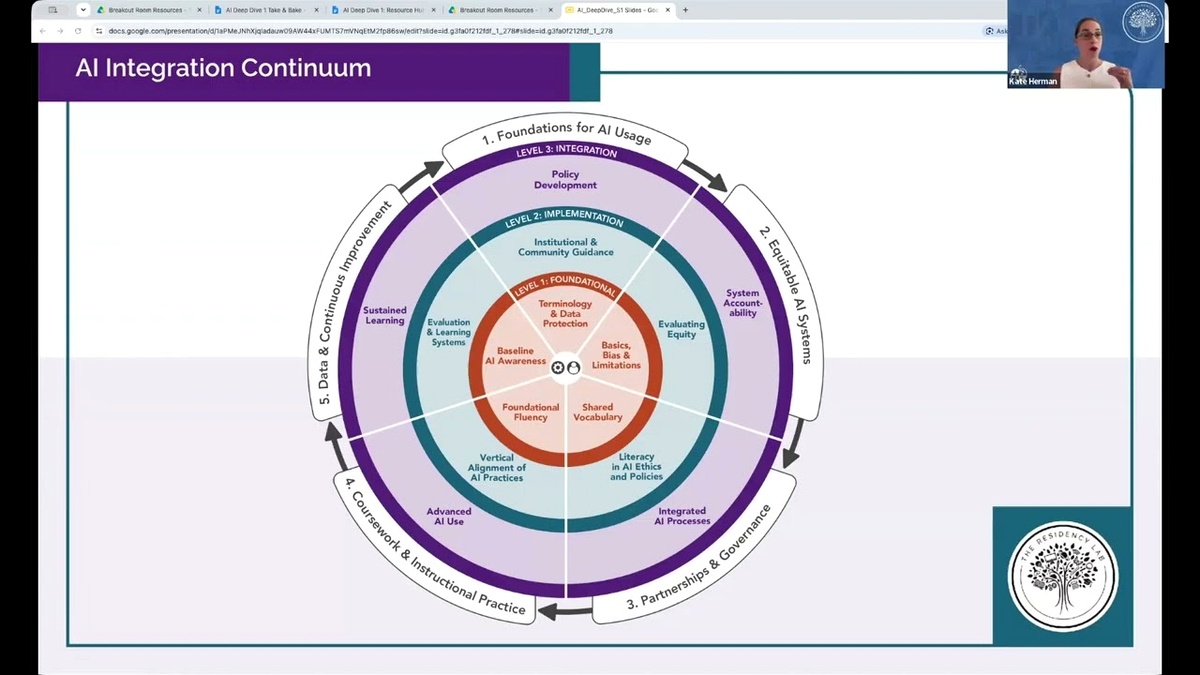
Foundations for AI Usage Deep Dive
As artificial intelligence becomes increasingly present in educational settings, educator preparation programs must develop shared understandings of its opportunities, limitations, …
AI Integration Continuum Webinar Recording
This video introduces the AI Integration Continuum, a human-centered framework designed to help educator preparation programs and education systems thoughtfully …
AI Integration Continuum Webinar Slides
This presentation introduces the AI Integration Continuum, a human-centered framework designed to help educator preparation programs and education systems thoughtfully …
Co-Designing AI in Education
This handbook is a compilation of insights and reflections designed to help labor-management teams from districts and county offices hold …
Bridging the History, Policy, Preparation, and Practice of the School Counseling Profession
This report examines the history, policy, preparation, and evolving practice of the school counseling profession in California, highlighting the profession's …
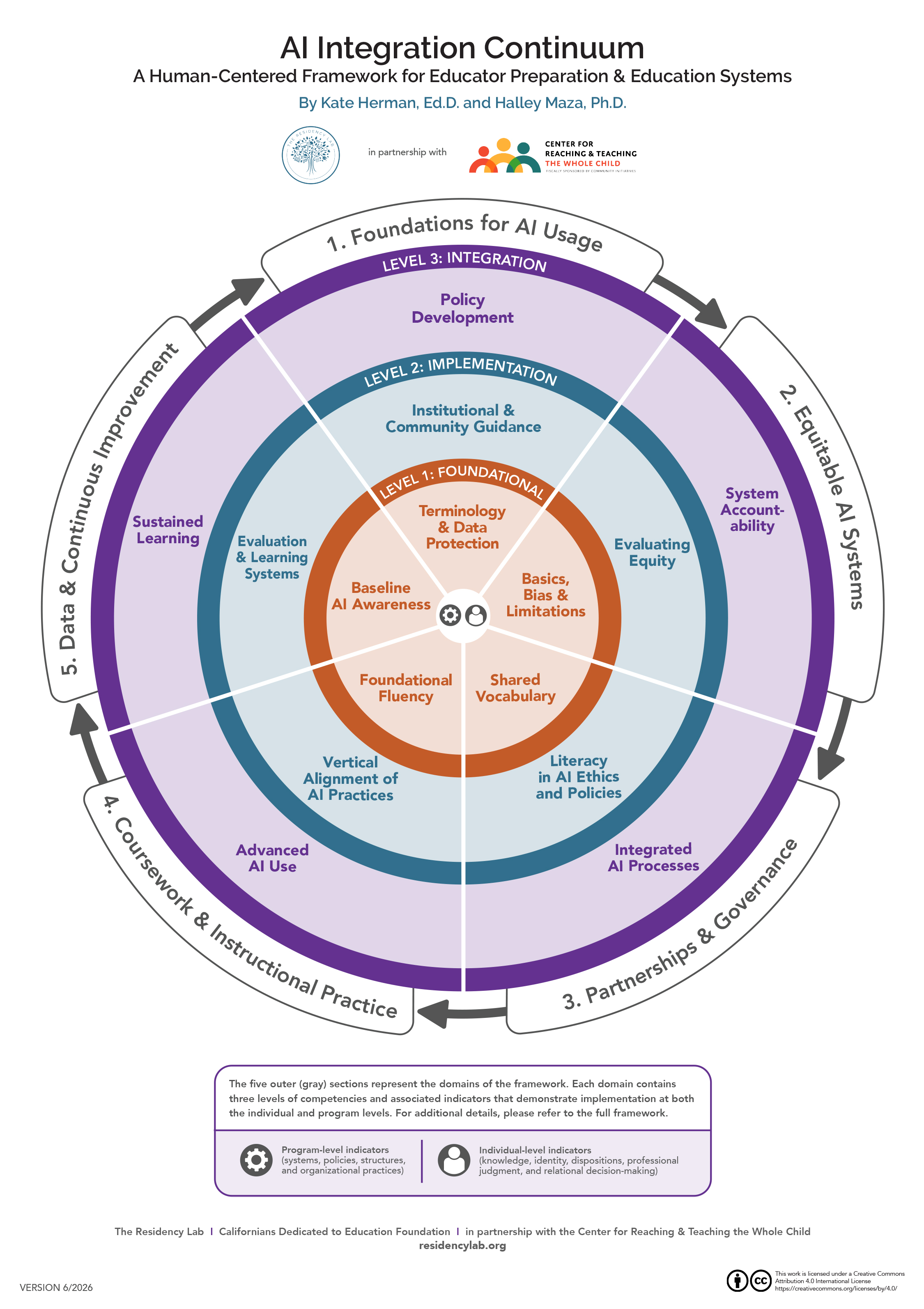
AI Integration Continuum
This AI Integration Continuum framework is intended to support education systems in integrating artificial intelligence (AI) in ways that are …
Bridging Support & Strategy
This reflection and planning tool outlines key considerations for enhancing the residency experience and supporting a strong sense of belonging. …
Collaboratively Analyzing Residency Data
In this resource, teams will work together to build a shared understanding of data collected and prepared by a team …
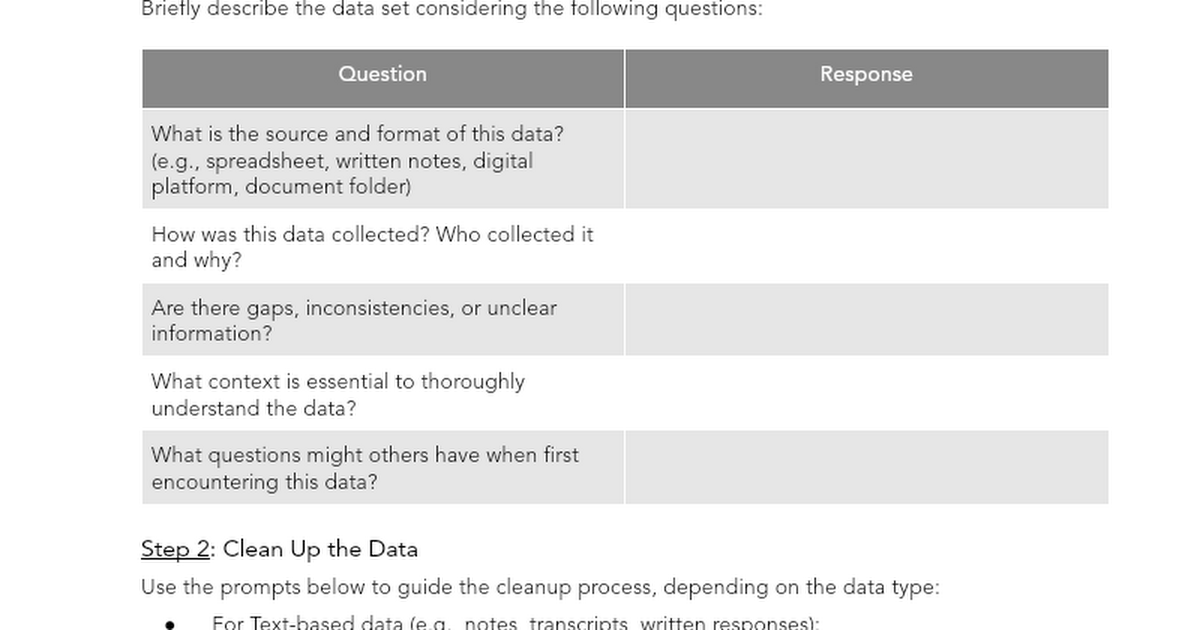
Preparing Data for Discussion
This guide will help assigned Data Preparers organize and prepare raw data in a way that makes it clear, accessible, …
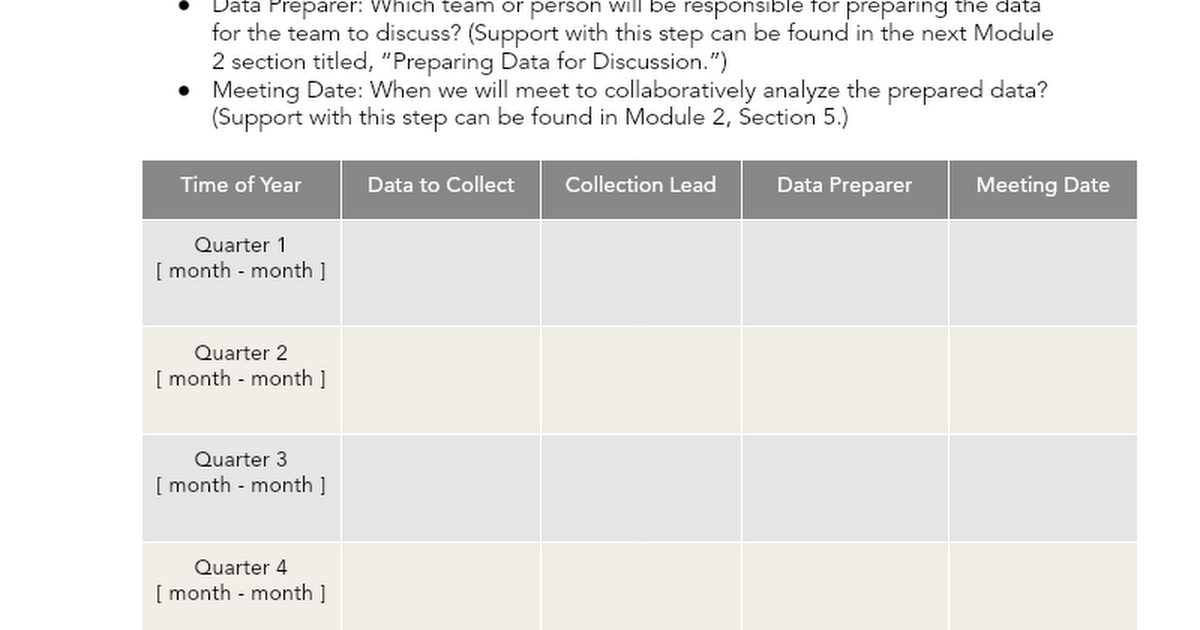
Calendaring Data Collection & Analysis
This resource is designed to support the calendaring process to make data collection and analysis more achievable for residency programs.
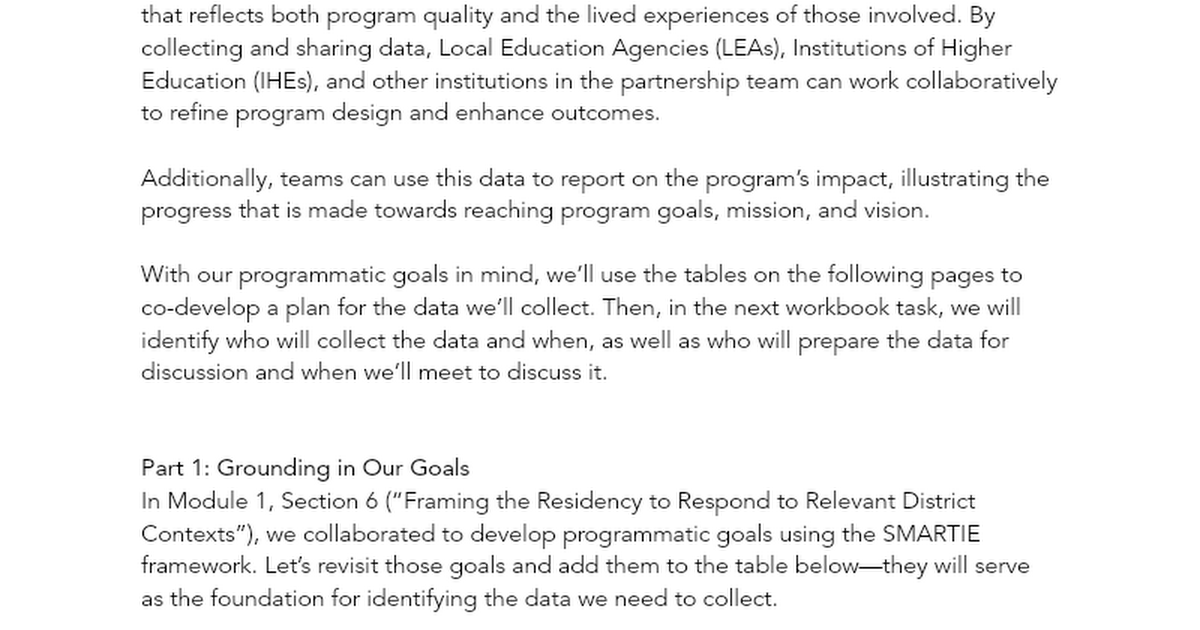
Identifying Key Data for Residency Programs
This tool is designed to support teams in working together to identify meaningful data that reflects both program quality and …
Completing a Plan-Do-Study-Act (PDSA) Cycle
The PDSA Cycle template in this resource can be used to collaboratively test a change idea.
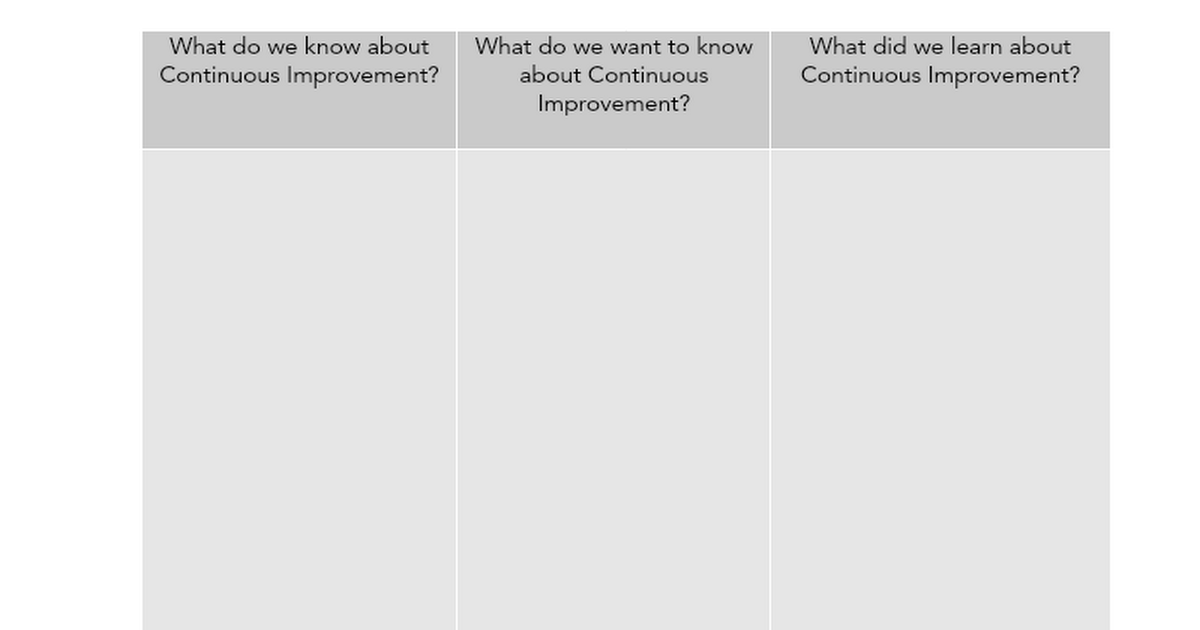
Building a Shared Understanding of Continuous Improvement
Continuous Improvement is a systematic and data-driven approach to take when managing or directing a program. As we collect and …
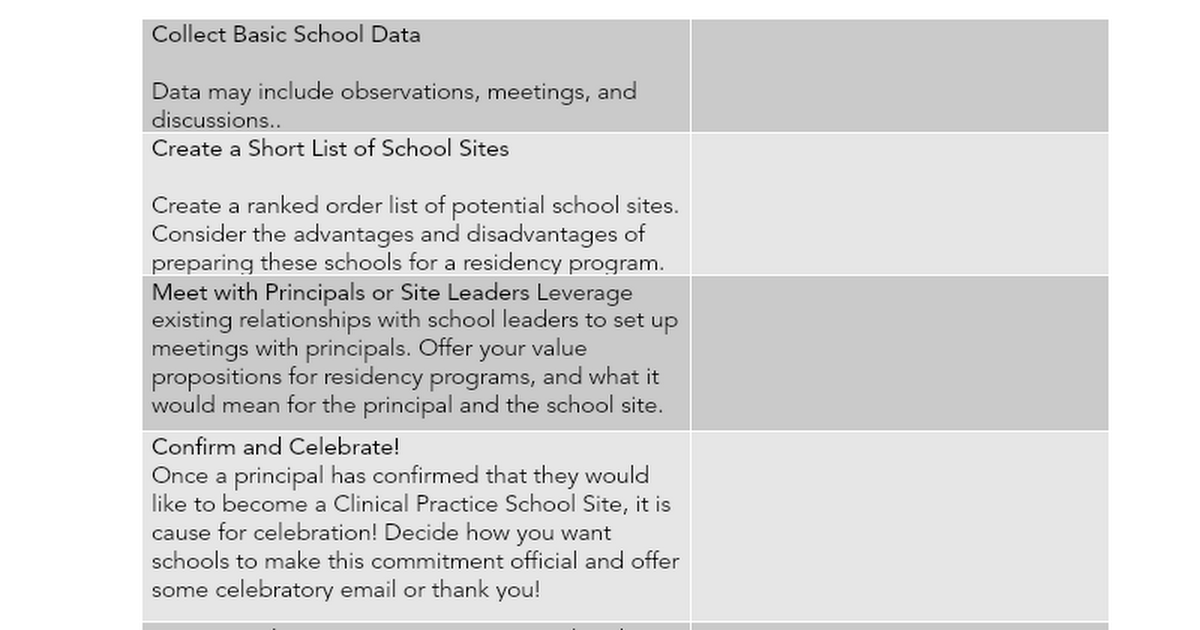
Selecting Clinical Practice School Sites
Supported clinical practice school sites are imperative to the success of a resident. Choosing school sites to place residents should …
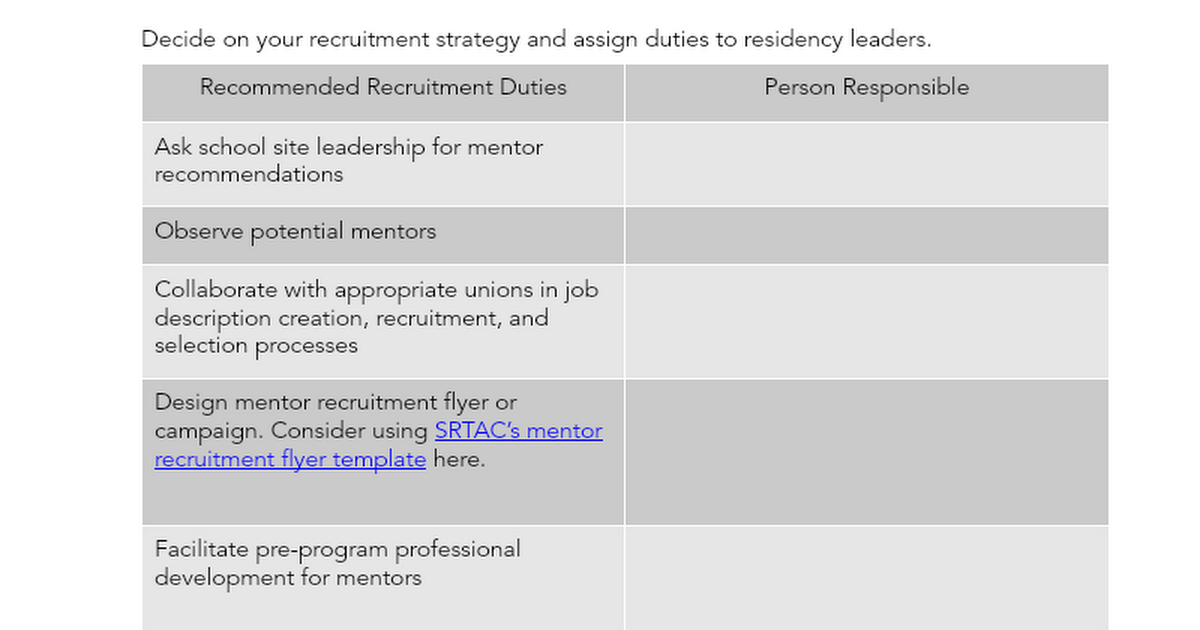
Design Mentor Recruitment Campaigns
This resource supports residency programs in designing their mentor recruitment campaigns, including creating job descriptions for mentor teachers and assigning …
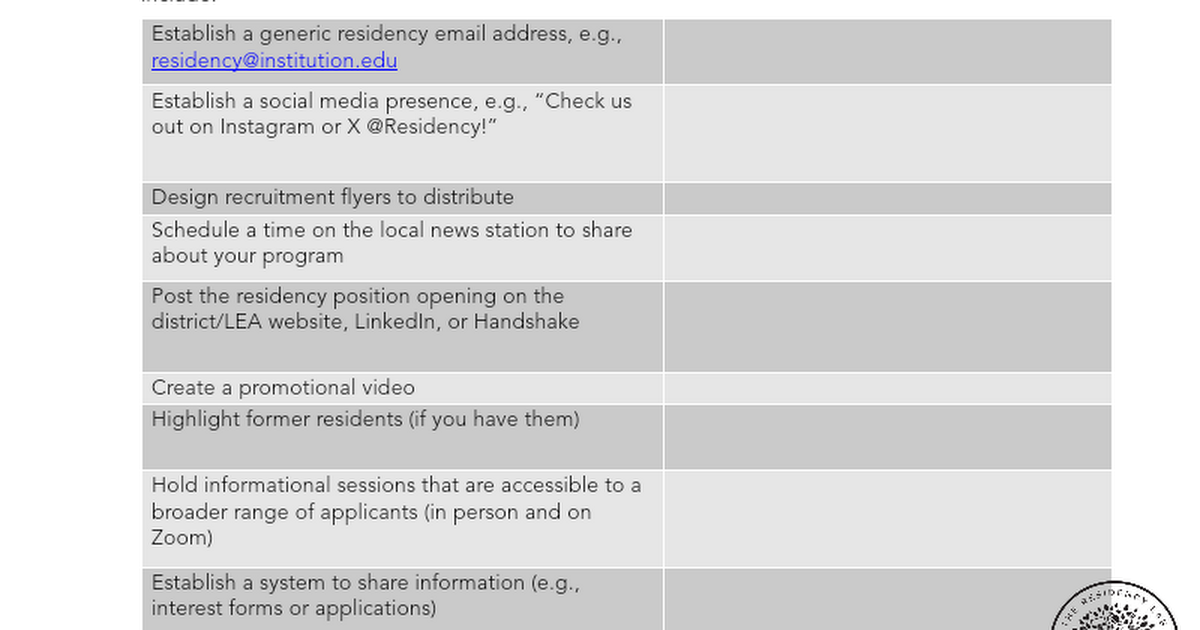
Design Your Resident Recruitment Campaign
In your program design, recruitment strategy is imperative because you want to ensure you’re reaching the population you are hoping …